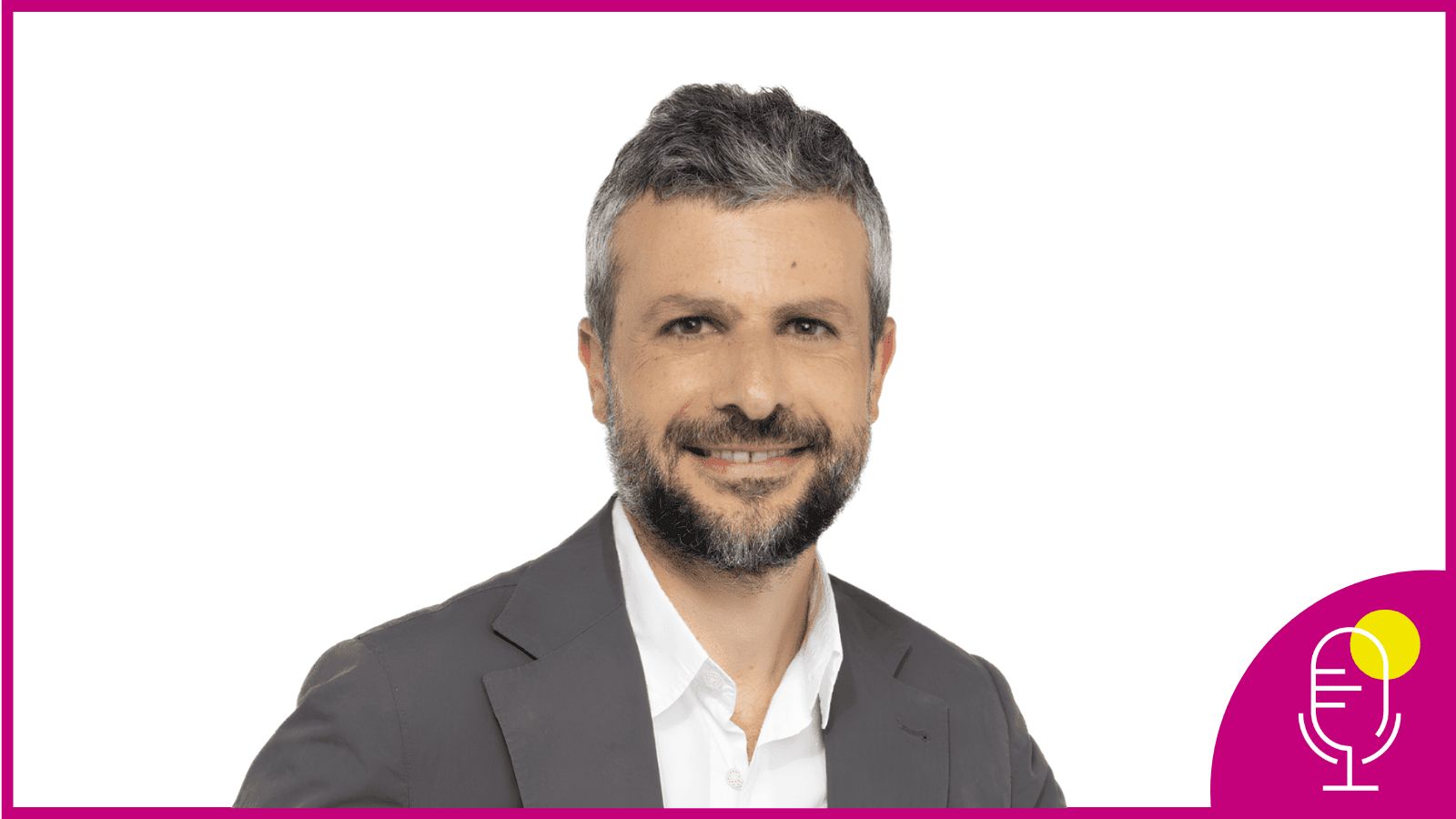
Meet Thomas Ellis (E06), director of the documentary film Tout va bien.


[This translation was generated by AI]
Journalist, producer, social entrepreneur and filmmaker, Thomas Ellis (E06) signs with Tout va bien, currently showing in cinemas, his first feature-length documentary, widely praised by both the press and audiences. In it, he follows the journeys of five unaccompanied migrant minors who arrived alone in Marseille. A deeply human and uplifting film, it challenges the way we view adolescence, exile and immigration. An encounter.
ESSEC Alumni: Could you tell us about your background and explain the role ESSEC played in shaping your professional journey?
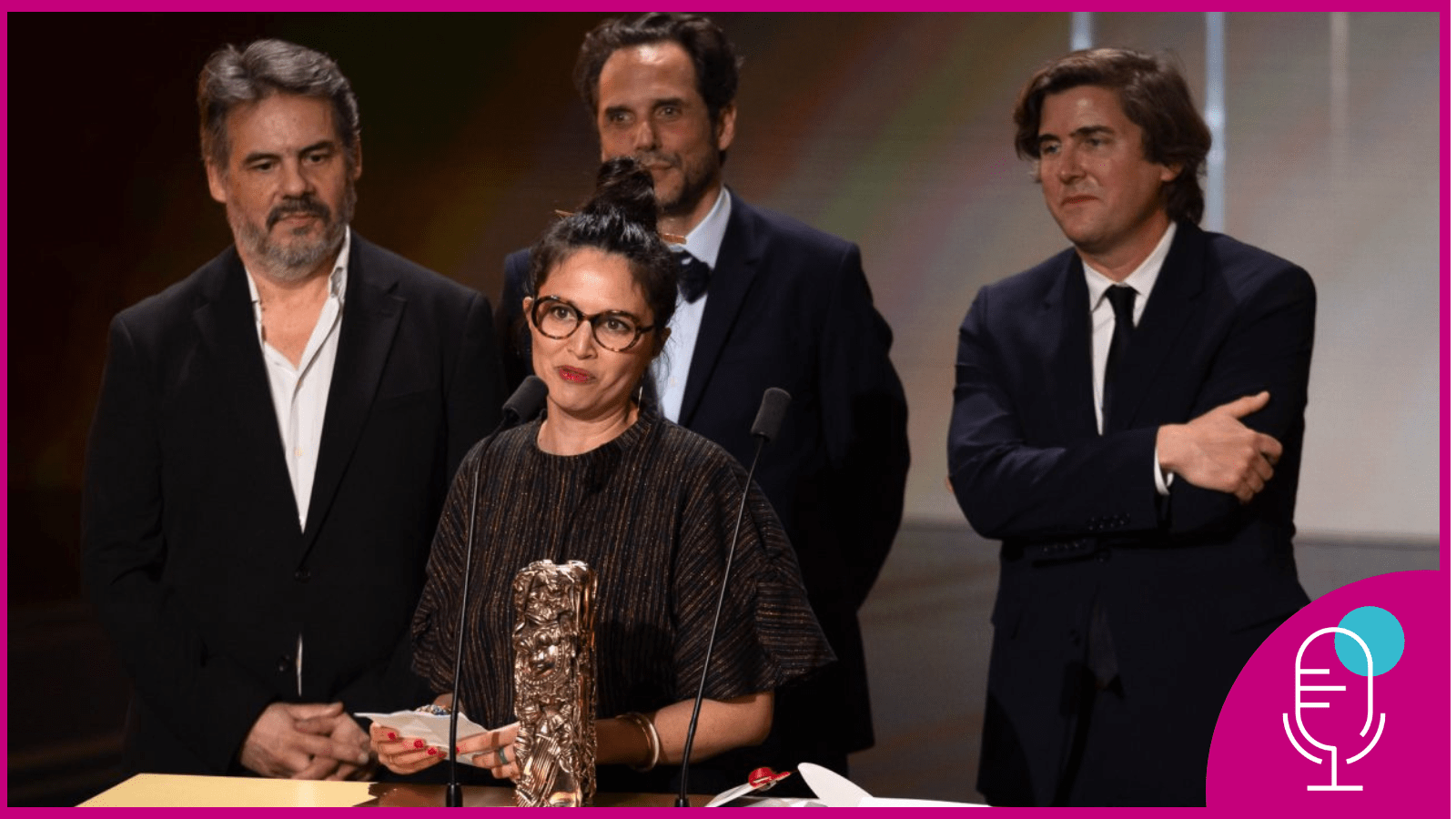
Thomas Ellis: At ESSEC from 2002 to 2005, I took entrepreneurship courses and attended the Media Chair led by Serge Hayat (E86). That’s where I discovered the world of film production and the media. The courses helped me along my professional path, because after graduating I co-founded an audiovisual press agency, Babel, based in New Delhi, Islamabad, Kabul, Rio, Miami, Paris and Marseille, which produced reports for major European television channels. During my years at ESSEC, I also met Caroline Nataf (E05) who, 20 years later, would go on to produce my film Tout va bien through her production company UNITÉ (L’histoire de Souleymane, Tirailleurs, Tapie, DJ Mehdi…).
EA: You worked for many years in South Asia, didn’t you? How did those experiences shape the way you see the world and tell stories?
Thomas Ellis: I lived and worked in India for 15 years on social entrepreneurship projects, as an audiovisual producer and journalist. But above all, I lived in a country that, in many ways, became my own. I had to find my feet, muddle through different languages, make friends, obtain paperwork and renew it every year… Like the young people in my film, I too was, in a way, a foreigner in a new country.
EA: Why did you become interested in the issue of unaccompanied minors, and how did the documentary project Tout va bien come about?
Thomas Ellis: When I returned to France, I realised that when people talked about migration, they always talked about problems. It is urgent, necessary and essential to talk about people who die at sea, and about those who are undocumented. But some media outlets conflate immigration with delinquency. And yet, when I meet adults or teenagers who have recently arrived in France, I see people learning our language, going to school and training for a trade. They are trying to find their place and start a new life — that is what I wanted to tell. Anyone who moves, whether to another city or another country, does so to improve their life, and they do everything they can to get there. By making this film, I wanted us to look at migrants differently. By telling the story of these teenagers, I wanted to refocus the migration question less on humanitarian tragedy and more on the positive idea represented by the possibility of a new life.
EA: What does the title Tout va bien refer to?
Thomas Ellis: The film’s sixth character is the mobile phone, and the parents on the other side. In conversations with the young people, the most frequently sent text message was “TOUT VA BIEN” or “tvb”. The title sounded like a mantra, used to reassure parents and to reassure themselves. Then, when re-reading the film’s subtitles, I realised that one of Tidiane’s final lines, when he speaks to his family, was: “Now, everything is fine.” More recently, members of SOS MEDITERRANNÉE explained to me that “TOUT VA BIEN” was the phrase they said at every stage of a rescue: when they recover people at sea, when they treat them, feed them and bring them ashore.
EA: What are the main difficulties faced by unaccompanied minors, both on arrival in France and throughout their integration journey?
Thomas Ellis: The first difficulty is administrative: having to be officially recognised as a minor. Teenagers go through assessment interviews, must provide documents, meet judges and sometimes undergo bone tests to prove their age. Then, for some, they must learn French, go to school and find a company in order to undertake apprenticeship training. These teenagers find themselves in adult situations, and they have to navigate them alone, without parents.
EA: On a personal level, what did they teach you through this experience?
Thomas Ellis: I was struck by their zest for life, their determination and, at the same time, the joy with which they face life.
EA: Certain scenes, such as Aminata’s call to her mother, are particularly powerful. Was there a moment during filming that especially shook you?
Thomas Ellis: Every moment I shared with them moved me. Indeed, the scene where Aminata calls her mother is often the one that most affects audiences. When she was 16 and a half, Aminata told me her whole story in detail. She told me she would call her mother on her 18th birthday to tell her what she thinks and what she wants for her life. That call is like a cry of freedom. I also think that the fact we were there that day, helping Aminata tell her mother how important her freedom was to her, made it all the more powerful.
EA: Alongside the film, you set up a project with vocational secondary schools. Could you tell us more about this initiative and what motivated it?
Thomas Ellis: During the research phase, I visited many vocational secondary schools in Marseille. I discovered a fascinating world that is little known to the general public. But I also became aware of the difficulties students from these vocational routes have in finding work placements. In June 2022, I contacted Pap Ndiaye and his team in order to set up a reflection project around the relationship between vocational secondary schools and businesses. Accor, Ikea, Onet, Sodexo, Les Entreprises s’engagent, the Ministry of National Education, headteachers, teachers, students, associations and KPMG also took part in a working group. For a year, one full day each term, I brought around sixty people together to work on these questions. We then rolled out pilots across the country and put concrete actions in place. This work fed into the reform of vocational secondary education and enabled the creation of 1,200 business liaison offices in vocational secondary schools. These offices build links with local businesses and help students who do not have the good fortune of having networks to find placements and apprenticeships. In 2024 and 2025, we connected 515 vocational secondary schools locally with Accor, Ikea, Onet and Sodexo hotels, agencies and shops.
By the way, ESSEC alumni — think of vocational secondary schools when you are looking for interns, apprentices or even new colleagues. They do not have the good fortune of having a network like ours, and I believe it is our duty to lend them a hand. So, dear ESSEC alumni, contact the business liaison office near you!
EA: As they leave the cinema, what would you like audiences to take away from Tout va bien ?
Thomas Ellis: Above all, the documentary is a film for the cinema — a work which, through the emotions it can evoke in the viewer, could help change the way we look at foreigners who arrive in our country. Elections are approaching, and I think other narratives also need to be heard.

Distribution: JOUR2FÊTE
Production: UNITÉ
Find upcoming screenings near you on Allociné

Comments0
Please log in to see or add a comment
Suggested Articles