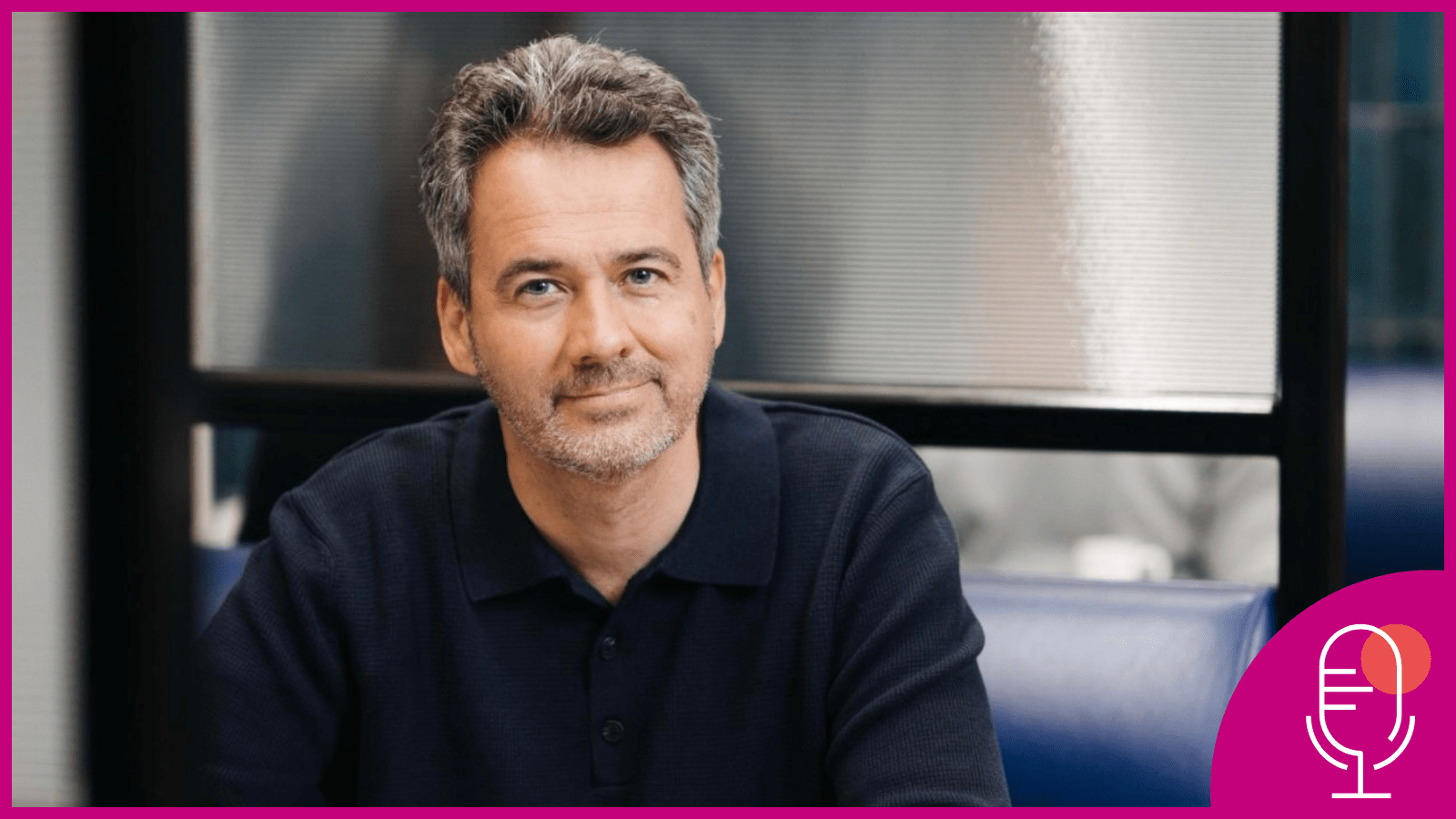
Jérôme Barthélémy (E97), producer, Caïmans Productions: “In short films, creative freedom has no equal”
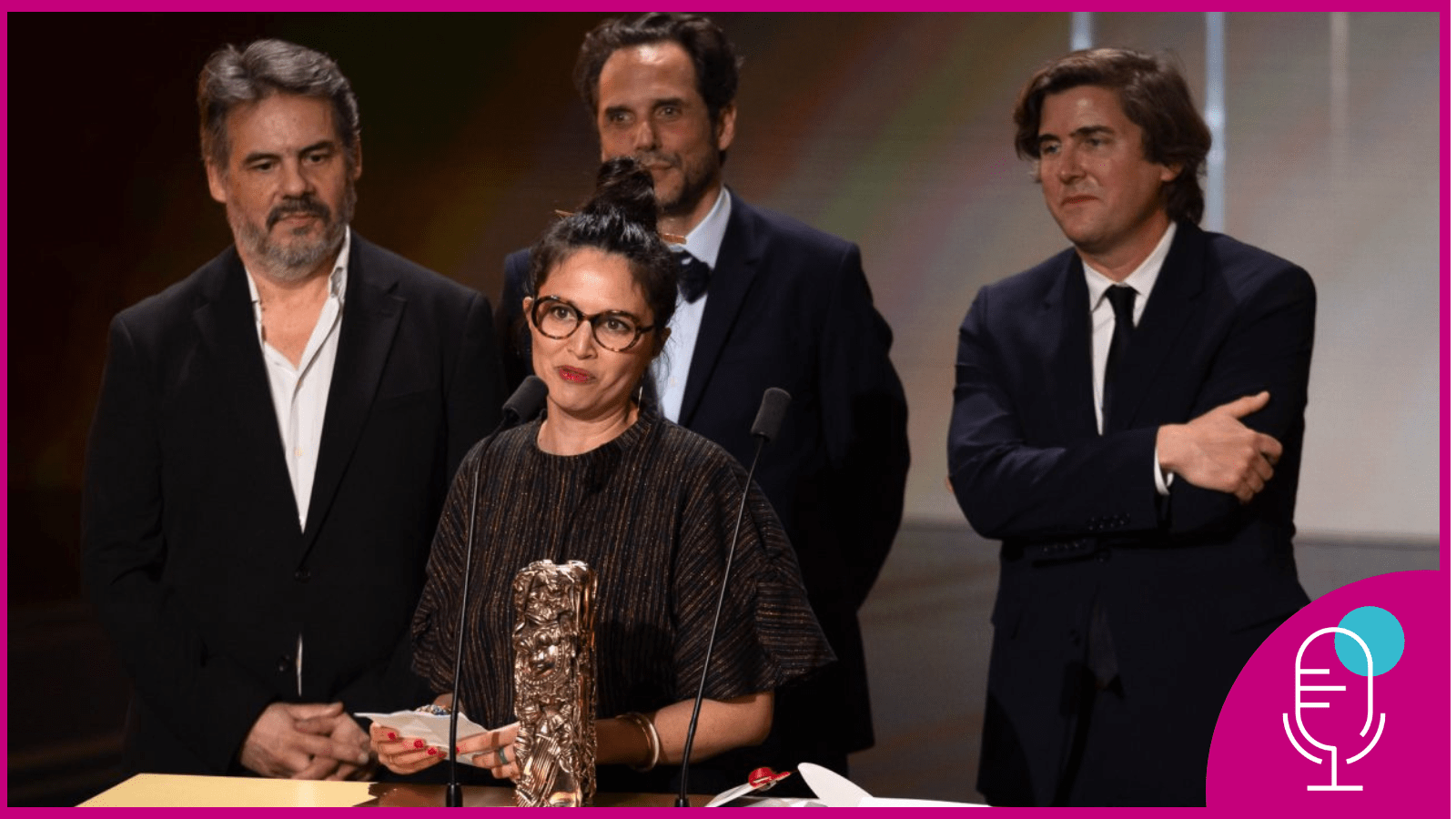
[This translation was automatically generated]
Fille de l’eau, written and directed by Sandra Desmazières, won the 2026 César Award for Best Animated Short Film. Its producer, Jérôme Barthélémy (E97), reflects on the challenges currently facing the animation industry.
Was this distinction expected?
I cannot say we expected it, but we certainly hoped for it. The competition was particularly strong this year, with two other excellent short films nominated. However, we remained confident about the film’s potential. Fille de l’eau had already travelled to nearly a hundred festivals. Carried by a story with universal resonance, the film received a very warm reception internationally.
Your company, Caïmans Productions, produces many short films. Why choose the short format?
The short film is a particular format that offers great freedom. It allows us to experiment with very different techniques. In Fille de l’eau, for example, all the colour work is done by hand, which gives the film its quality and strong artistic character. This technique would probably have been difficult to implement in a feature-length film, particularly for financial reasons. We appreciate the artisanal nature of the short format, as well as the freedom it offers to writers and directors. For some filmmakers, the short film is considered a format in its own right, within which they build their entire body of work.
Do you regularly work with the same directors?
Fille de l’eau is Sandra Desmazières’ fifth short film, and we are currently working on her next project. Over time and through different projects, a strong bond naturally develops between producers and directors.
What impact is artificial intelligence having on your industry?
In the animation industry, artificial intelligence is currently raising genuine concerns. It is important to remember that the sector is already going through a difficult period, with declining production volumes. Many technicians feel threatened. We are already seeing music platforms flooded with tracks entirely generated by AI, and it is likely that films produced in this way will soon appear in large numbers. For my part, I believe artificial intelligence remains, above all, a tool. And I trust the audience: I do not believe that AI-generated films will replace genuine works.
What about screenwriters and directors?
I observe that the use of artificial intelligence largely depends on the personality of the artists. Directors who are more enthusiastic about technology tend to embrace it, while others choose not to.
Could the use of AI be a response to declining funding?
Budgets are decreasing across all types of funding: public broadcasters, private channels and local authorities. As a result, solutions must be found. Increasingly, production companies are turning to European co-productions. For example, Fille de l’eau was produced with partners in the Netherlands and Portugal. We seek cooperation on all our projects and are also trying to strengthen collaboration between producers.
Interview by Chloé Consigny (M07)
©Photo : Anaïs Massé – ENS Louis-Lumière pour l’Académie des César 2026

Comments0
Please log in to see or add a comment
Suggested Articles