
Translation automatically generated.
Radio stations are often said to be chosen much like banks. For Millennials as well as Gen Z, it is highly likely that their favourite station is the one their parents listened to when they were children. However, these reference points are becoming blurred for Generation Alpha and those that follow. While radio remains a key medium in 2026, what will its future look like?
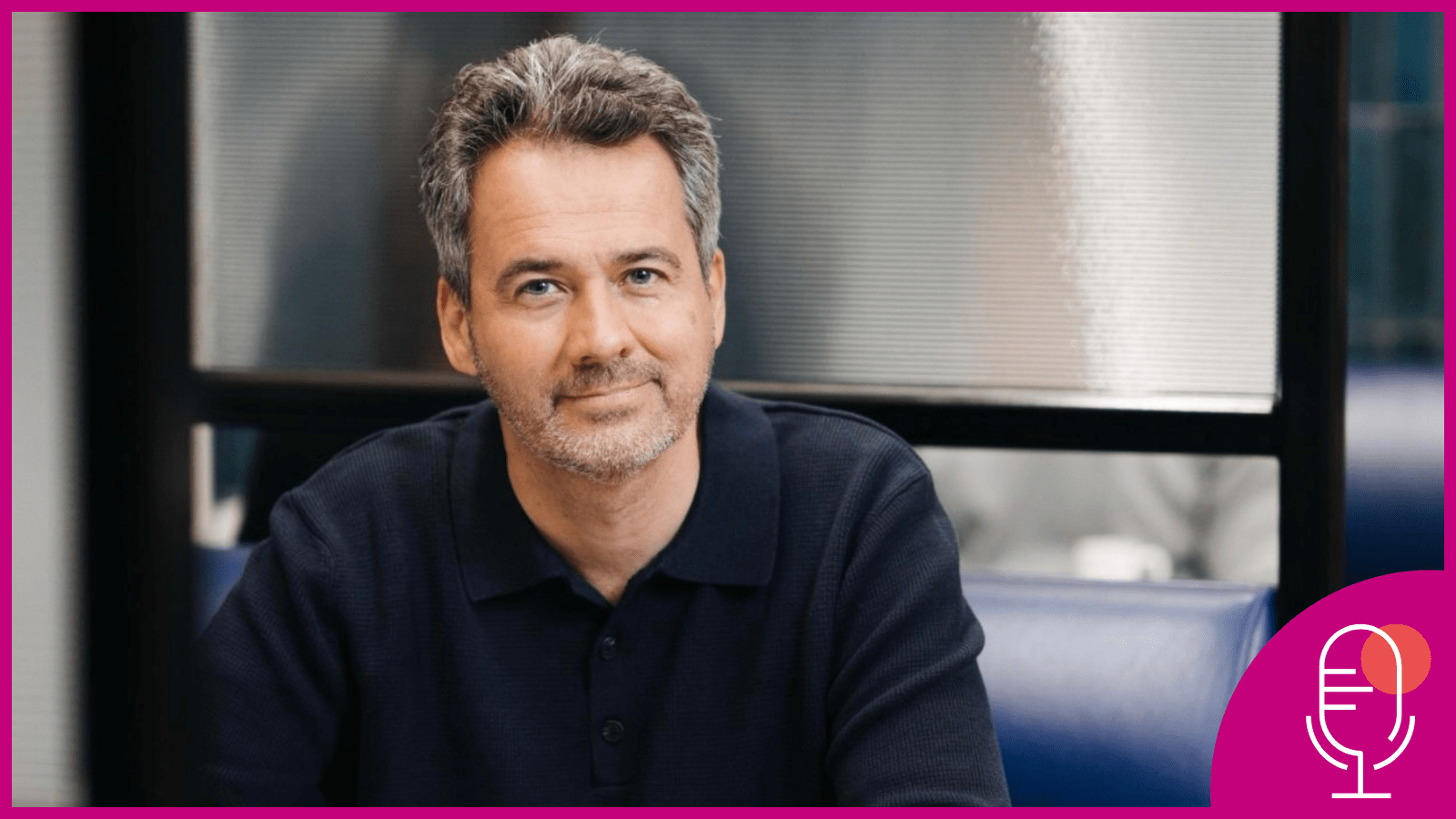
Some answers with Jonathan Curiel (E05), Managing Director in charge of radio stations RTL, RTL2 and Fun Radio.
In France, 38 million people listen to the radio every day. “Radio is a medium of mobility, which explains, for instance, why we lost 2 million listeners during the health crisis. Today, audience figures are stabilising, but we have not yet returned to pre-Covid levels.”
An intimate and mobile medium
For Jonathan Curiel, radio is above all an intimate medium. “In the morning, we can bring together more than 3 million listeners for an interview. Radio is part of everyday life. People listen to it while brushing their teeth. The human voice creates a more intimate connection than television.”
That said, usage gaps are widening across generations. While today one in two people under the age of 35 listens to the radio daily, many are drawn to other formats. “Radio still exists through strong brands, but if we want to reach other audiences, we must expand onto social media and strengthen our presence in podcasts. Our linear programmes — those broadcast throughout the day — must become content that people want to podcast and consume on replay.”
Adapting to new habits
In France, as elsewhere in the world, podcasts are becoming increasingly mainstream. According to an ACPM-CSA study published in 2025, 44% of French people now listen to podcasts, and two-thirds of listeners tune in every week.
RTL is not lagging behind when it comes to podcasts. Les Grosses Têtes by Laurent Ruquier tops download charts in France. L’heure du crime is also one of the most eagerly awaited podcasts for true crime enthusiasts. Native podcasts — those not originally intended for broadcast — still raise some questions within editorial teams. “There are still profitability issues, but it is clearly a key area for development,” says Jonathan Curiel.
The group is increasingly investing in enriched content distributed on YouTube, where RTL is now highly active. “While younger generations may not have the reflex to turn on the radio, they do have strong social media and YouTube habits.”
These video formats are then adapted into short clips for social media. “The power of social media is essential: being present on Instagram, Facebook and TikTok is a necessity. It allows people who do not have the habit of listening to the radio in the morning to discover an interview or a segment later in the day.”
The Managing Director is steering his stations towards hybrid media, combining audio, visual and digital formats. “Live broadcasting will remain essential. But radio will increasingly be filmed, distributed and enhanced,” anticipates Jonathan Curiel.

Comments0
Please log in to see or add a comment
Suggested Articles